

Wie können wir Ihnen helfen?
Herzlich willkommen bei der Stadt Hof. Wir sind für Sie da. Fühlen Sie sich frei, Ihre Suchanfrage ins obige Feld einzugeben. Sei es der Antrag für den Personalausweis Ihrer Kinder, Fragen zu sozialen Dienstleistungen oder einfach nur: Welche Sehenswürdigkeiten finden sich in Hof in Bayern ganz oben? Das ist die Suchmaschine für Ihr persönliches Anliegen. Legen Sie gleich los!
Hallo im digitalen Hof!
Das ist Ihr digitales Rathaus
Entdecken Sie die Serviceangebote der Stadt Hof digital. Mit wenigen Klicks gelangen Sie an die richtige Stelle für Ihr Anliegen. Von Terminvereinbarungen bis zu vollautomatisierten Antragserstellungen. Einfach und bequem von zu Hause aus.
Das ist Ihre Saalestadt
Bei uns finden Bürgerinnen und Bürger, Touristen und Unternehmen sämtliche Informationen und Wissenswertes über die Stadt Hof. Besonders für Neu-Hoferinnen und Hofer gibt es vielfältige Angebote, um die neue Heimat kennenzulernen. Aber auch als Alteingesessener lohnt es sich hier umzusehen.





Quicklinks
Was gibt es denn Neues?



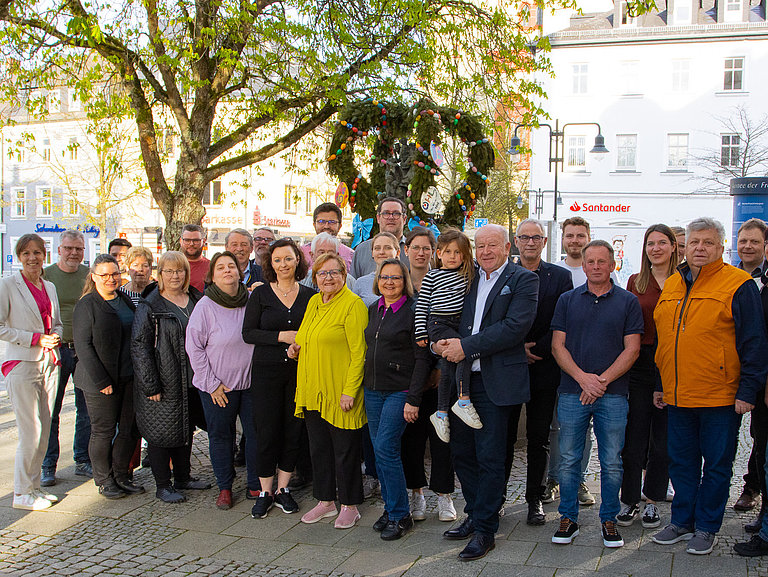



Hofer Wochenmarkt
Maxplatz, 95028 Hof, Deutschland
Der Hofer Wochenmarkt findet wöchentlich jeweils am Mittwoch und am Samstag statt.
Mi., 17.04.2024und weitere
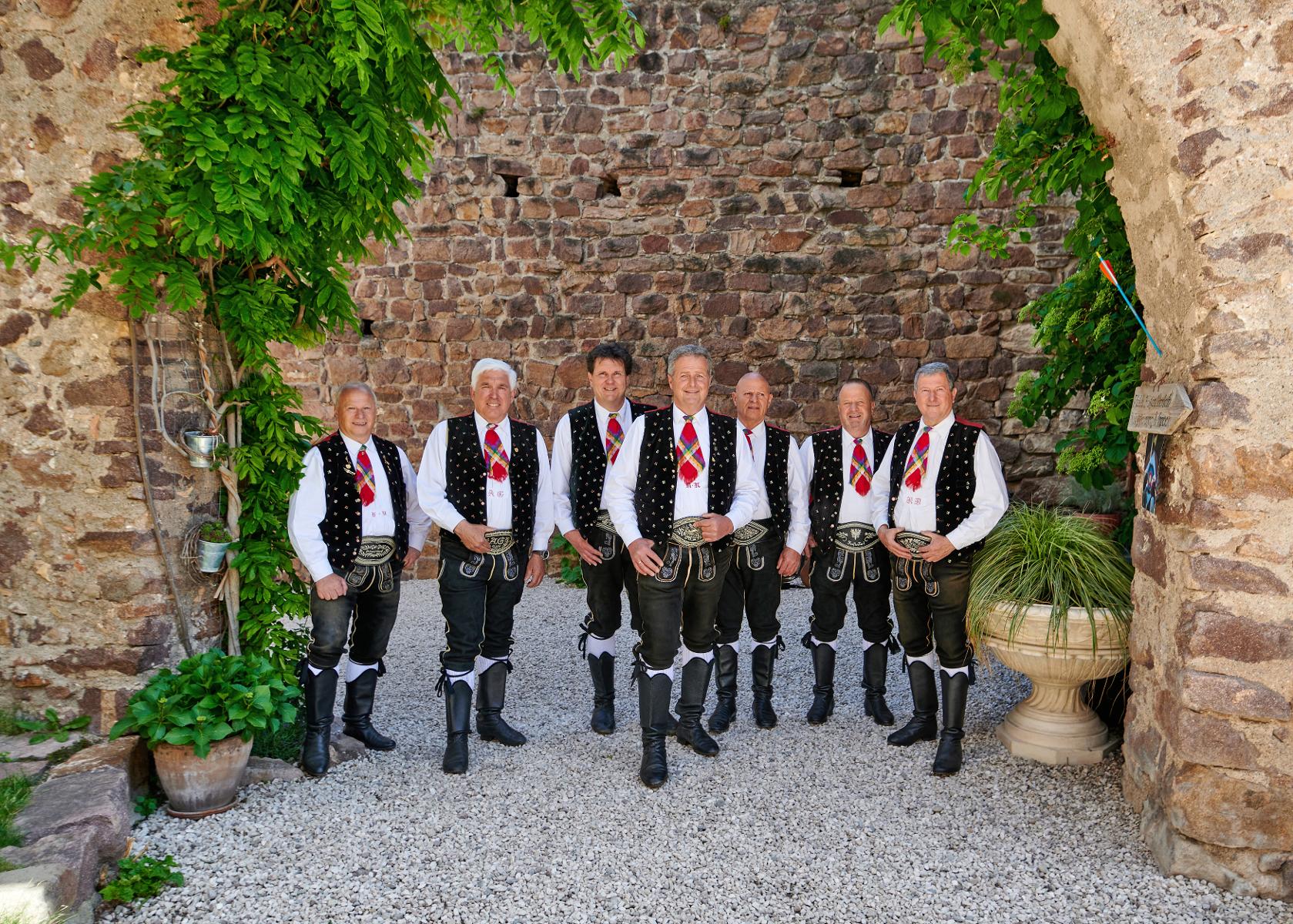
Kastelruther Spatzen: Herz und Heimat - live 2024
Kulmbacher Str. 4, 95030 Hof, Deutschland
Konzert im Großen Haus der Freiheitshalle
Fr., 19.04.2024
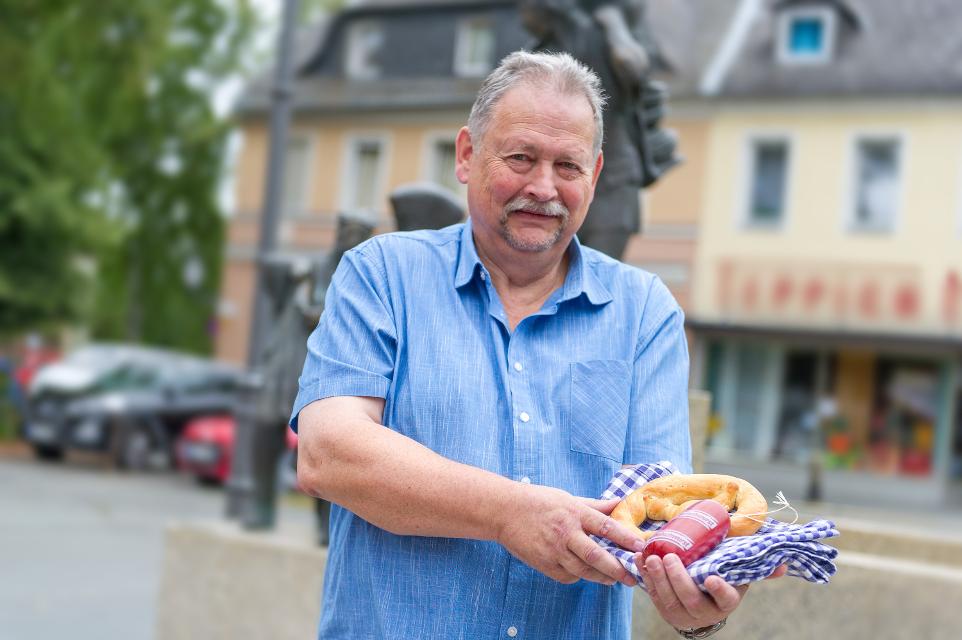
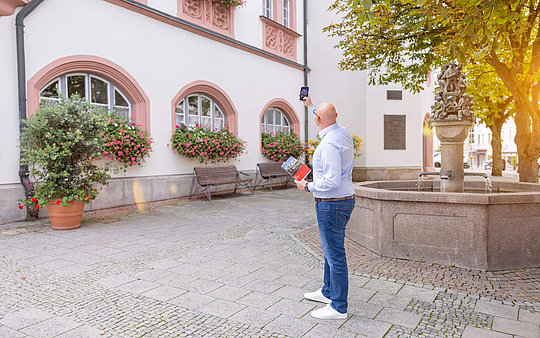
STADTFÜHRUNG HOF - Kulinarischer Stadtspaziergang
Rathausbrunnen, Klosterstr. 1, 95028 Hof, Deutschland
Mit dem Genussbotschafter in Hof unterwegs
Sa., 20.04.2024und weitere
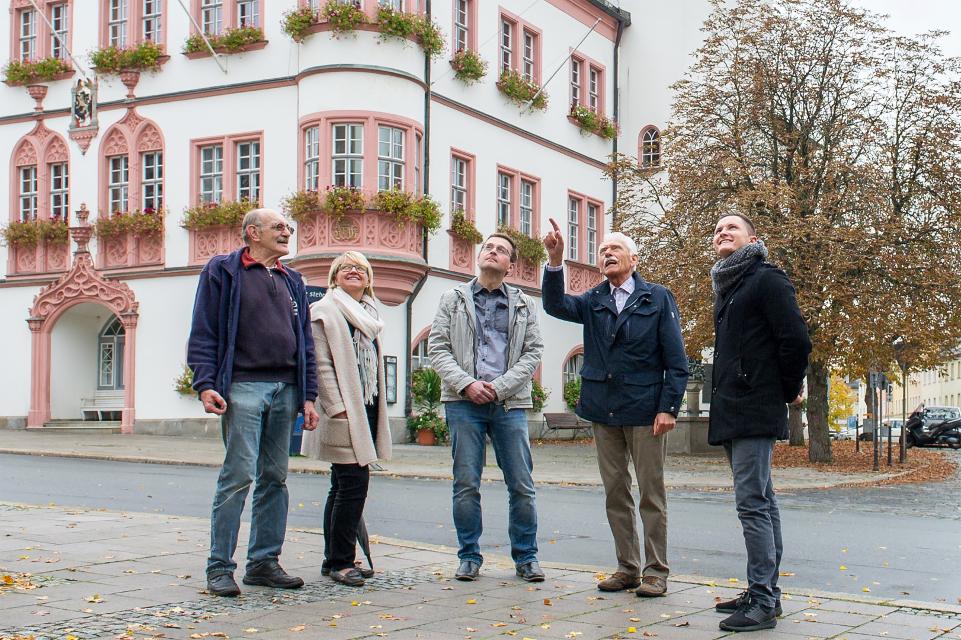
STADTFÜHRUNG HOF - Alles über Hof
Ludwigstr. 24, 95028 Hof, Deutschland
Die kurzgefasste Stadtführung
Sa., 06.04.2024bisDo., 31.10.2024 und weitere
Ihr direkter Draht zur Stadt Hof
Wir sind für Sie da!
Die Öffnungszeiten der einzelnen Bereiche finden Sie hier:
09281 815 0
Kontakt
Stadt Hof
Klosterstr. 1
95028 Hof
Telefon 09281 815 0
Telefax 09281 815 1199
post@stadt-hof.de
www.hof.de